

European oak has earned a strong reputation among architects, interior designers, furniture manufacturers, flooring specialists, and homeowners around the world. Its popularity is not based on a single characteristic. Instead, European oak combines durability, natural beauty, versatility, workability, and a distinctive character that makes it suitable for an exceptionally wide range of applications. From carefully selected oak flooring and traditional parquet to furniture panels, solid timber, and architectural details, this species continues to be one of the most valued materials in the woodworking industry.
One of the main reasons European oak is so highly regarded is its natural appearance. Oak has a rich grain structure, warm colour palette, and characteristic variations that give every piece of wood an individual identity. Depending on the grade and finishing method, oak can appear subtle and uniform or expressive and full of natural knots and colour variation. This makes it possible to create interiors that feel both elegant and authentic. Unlike synthetic materials designed to imitate wood, genuine oak develops its own character over time, making it particularly attractive for projects where natural materials are an important part of the design.
A Timber Built for Durability
Durability is another important reason why European oak is valued worldwide. Oak is a naturally strong hardwood with properties that make it suitable for products exposed to everyday use. Properly selected, dried, and processed oak can provide excellent long-term performance when used in flooring, furniture, stairs, doors, wall panels, and other interior applications.
For customers purchasing wooden flooring, durability is especially important. A floor is exposed to regular foot traffic, furniture, changes in temperature, cleaning, and everyday activity. Choosing a high-quality oak floor can therefore be a long-term investment rather than simply a decorative decision. With appropriate installation and maintenance, oak flooring can remain attractive for many years and can often be renovated or refinished when necessary.
This long service life also contributes to oak’s appeal from an economic perspective. Although premium solid wood products may require a higher initial investment than some alternatives, their durability and potential for refurbishment can make them a practical choice over the lifetime of an interior.

The Versatility of European Oak
Another advantage of European oak is its versatility. It can be processed into a wide variety of products, allowing the same natural material to be used throughout an interior or across different areas of a construction project. Oak can become floorboards, parquet elements, mosaic parquet, industrial parquet, furniture panels, stairs, doors, wall coverings, and many other components.
For flooring manufacturers, oak is particularly valuable because it works well with numerous formats and patterns. Oak lamparquet can create a clean and timeless floor, while mosaic parquet can introduce geometric detail and a more traditional character. Herringbone and other parquet arrangements can give interiors a distinctive architectural appearance, while industrial parquet can be selected for applications where strength and a robust visual character are important.
This versatility also makes European oak popular among architects and interior designers. A single species can be adapted to very different concepts, from minimalist contemporary apartments to historic renovations, luxury hotels, restaurants, offices, and public buildings.
European Oak Flooring: A Timeless Choice
European oak flooring is one of the best-known applications of this material. Oak parquet has been used for generations, yet it continues to look contemporary because natural wood works particularly well with changing interior trends. Colours, furniture styles, lighting concepts, and architectural fashions may change, but the fundamental appeal of a genuine oak floor remains remarkably consistent.
A well-designed oak floor can become one of the defining elements of a room. Its grain creates visual movement without overwhelming the interior, while its natural tones provide warmth and balance. Depending on the desired effect, oak can be finished to emphasize its natural colour, darkened, lightened, brushed, smoked, or treated in other ways.
For commercial interiors, oak flooring can also communicate quality and permanence. Hotels, restaurants, offices, boutiques, galleries, and other spaces often use natural wood to create a welcoming atmosphere while maintaining a sophisticated appearance. For residential interiors, oak offers a combination of comfort, warmth, and longevity that makes it suitable for living rooms, bedrooms, hallways, dining areas, and other spaces.
What Makes High-Quality Oak Different?
Not every oak product is identical. The final quality of an oak floor or timber product depends on many stages of production, beginning with the selection of the raw material. The origin and condition of the logs, the way they are sawn, the drying process, grading, machining, and final quality control all influence the finished product.
Professional European oak manufacturers therefore place considerable emphasis on selecting suitable raw timber. Different projects require different characteristics, and the right material must be chosen according to the intended application. Flooring, furniture panels, structural timber, and decorative products may all have different technical and visual requirements.
Drying is another critical stage. Freshly sawn timber contains a significant amount of moisture, and controlled drying helps bring the wood to a moisture level appropriate for its intended use. Proper kiln drying can improve dimensional stability and prepare the timber for further processing. It also allows manufacturers to maintain greater control over production and achieve more consistent results.
Precision machining is equally important for flooring. Parquet elements need to maintain accurate dimensions so that the finished floor can be installed correctly and create the intended pattern. Consistency becomes particularly important for larger projects, where hundreds or thousands of individual elements may need to work together as one surface.
From Oak Log to Finished Product
The journey from a European oak log to a finished flooring product involves considerably more than simply cutting wood. At a professional sawmill, logs are assessed and processed according to their characteristics and intended use. The resulting boards are then prepared for further processing, with selected material continuing through drying, grading, machining, and finishing stages.
An integrated approach to production can provide important advantages. When a manufacturer has control over several stages of the process, it can better monitor the quality of the material and respond to specific customer requirements. It also allows greater consistency between batches, which is particularly valuable for professional flooring distributors, furniture manufacturers, architects, and contractors.
For customers, this means greater confidence when ordering larger quantities. Consistent dimensions, appropriate moisture content, and repeatable quality can make a significant difference when a product is being used across a large residential or commercial project.
European Oak and Sustainable Design
The growing interest in sustainable construction and interior design has also increased attention on natural materials. Wood is a renewable raw material when forests are responsibly managed, and timber products can play an important role in creating interiors with a lower reliance on synthetic materials.
European oak is especially attractive in this context because its durability can contribute to long product lifespans. A floor that remains in use for decades does not need to be replaced as frequently as a short-lived finish. Furthermore, solid wood products can often be repaired, refinished, or repurposed rather than immediately discarded.
Sustainability, however, should not be reduced to the simple statement that wood is natural. Responsible sourcing, forest management, efficient production, appropriate drying, waste reduction, and product longevity all matter. Customers increasingly want to know not only what a product looks like, but also where the material comes from and how it has been processed.
A Material for Modern Architecture
The popularity of European oak extends well beyond traditional interiors. Contemporary architects increasingly use natural timber as a way of introducing warmth and texture into modern spaces. Oak can soften minimalist environments dominated by glass, stone, concrete, and metal while maintaining a refined and architectural appearance.
Large open-plan interiors can benefit from the visual continuity created by a natural oak floor. In hospitality projects, oak can help create a sense of comfort and authenticity. In offices, it can make large spaces feel less clinical. In residential projects, it can provide a natural foundation around which the rest of the interior is designed.
The ability to combine oak with other materials is another reason for its continued popularity. Oak flooring works naturally alongside stone, ceramics, plaster, metal, glass, and painted surfaces. Its neutral but distinctive appearance allows it to complement many different design approaches.
Choosing the Right Oak Flooring
Selecting an oak floor should begin with the requirements of the project rather than simply with appearance. The intended use, expected traffic, installation method, room conditions, desired pattern, dimensions, thickness, grade, and finish should all be considered.
For example, a private bedroom may have very different requirements from a busy restaurant or hotel corridor. A designer looking for a strong geometric pattern may prefer mosaic parquet, while another project may require a more understated lamparquet. Industrial parquet can provide a different combination of visual character and durability.
The quality of the raw material and the precision of manufacturing should also be considered. A beautiful sample is important, but professional buyers should also look at consistency between batches, moisture content, dimensional accuracy, packaging, delivery capabilities, and the manufacturer’s experience with similar projects.
Why Buyers Around the World Choose European Suppliers
European oak is traded internationally because European manufacturers have developed extensive experience in processing this demanding hardwood. Customers outside the region often look for suppliers who can combine high-quality raw material with reliable manufacturing, consistent specifications, professional communication, and dependable logistics.
For international buyers, the ability to order consistent quantities is particularly important. Flooring distributors and contractors need products that meet agreed specifications from one shipment to the next. Furniture manufacturers similarly require predictable material quality to maintain efficient production.
Export-oriented manufacturers can also provide valuable support throughout the ordering process. Clear product specifications, professional packaging, appropriate documentation, and coordination of transport all contribute to a smoother international purchasing experience.
For customers searching for a reliable source of European oak flooring and wood products, European oak parquet and flooring products can provide a practical starting point for exploring available solutions and understanding the possibilities offered by this versatile material.
Oak for Furniture and Interior Applications
The value of European oak is not limited to flooring. Furniture manufacturers have used oak for generations because it combines strength with an attractive appearance and good workability. Solid oak furniture can create a sense of quality and permanence, while oak panels can be used for tables, cabinets, shelving, doors, and interior fittings.
In contemporary furniture design, oak is often used to create clean, simple forms where the natural grain becomes part of the visual design. In more traditional furniture, the same material can emphasize craftsmanship and heritage.
Oak furniture panels are also useful for professional interior projects where a consistent material language is required. Designers can use oak across furniture, wall elements, doors, and flooring to create a cohesive interior in which different components share the same natural material.
The Importance of Craftsmanship
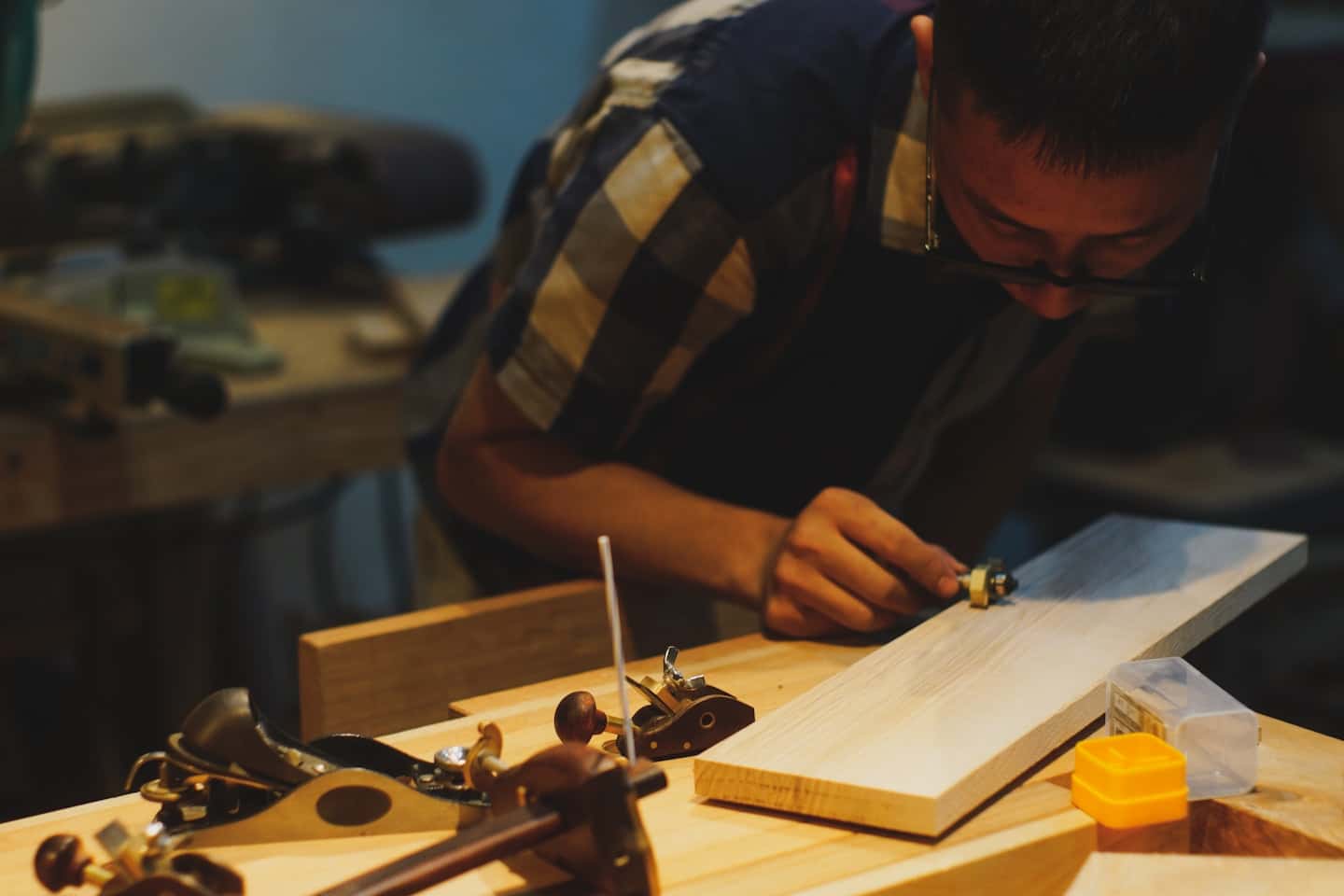
Modern technology plays an essential role in today’s timber industry, but machinery alone does not determine the quality of a finished product. Experience remains important when selecting timber, interpreting natural variations, managing drying processes, and determining how a particular piece of oak should be processed.
Every oak log is a natural material, which means that grain direction, knots, colour, density, and other characteristics can vary. Experienced manufacturers understand these differences and know how to work with them rather than treating every piece of wood as an identical industrial component.
The best results come from combining this knowledge with modern production technology. Precision machinery can provide repeatable dimensions and efficient processing, while skilled professionals ensure that the natural characteristics of the material are properly understood and managed.
An Investment in Natural Quality
When customers choose European oak, they are often choosing more than a flooring material or a piece of timber. They are choosing a material with a long history, a distinctive natural appearance, and the potential to remain part of an interior for many years.
Oak also has an ability to age gracefully. Small changes in colour and surface character can become part of the material’s identity rather than a sign that it has lost its value. With appropriate care, an oak floor can develop a patina that gives it even more character over time.
This is one of the fundamental differences between natural oak and many short-term decorative alternatives. Trends may change quickly, but natural materials can adapt to new surroundings and continue to look relevant.
European Oak for the Future
The international demand for European oak is likely to remain strong because the material addresses several important needs at the same time. It offers durability for demanding applications, beauty for high-end interiors, versatility for manufacturers, and the natural character increasingly sought by architects and consumers.
At the same time, modern production methods continue to improve the consistency and efficiency with which oak can be processed. Better drying technology, more precise machining, improved quality control, and increasingly efficient logistics allow manufacturers to deliver products that meet the expectations of international customers.
For businesses and professionals, this combination of natural material and modern manufacturing is particularly valuable. A reliable European oak supplier can provide not only attractive wood, but also predictable quality, repeatable specifications, and solutions suitable for larger projects.
Conclusion
European oak is valued around the world because it brings together qualities that are difficult to replicate in a single material: strength, durability, natural beauty, versatility, workability, and timeless character. From oak parquet and mosaic flooring to industrial parquet, furniture panels, and carefully processed timber, it can meet the needs of a wide variety of industries and interior projects.
The value of oak, however, depends on how the material is selected and processed. High-quality raw timber, controlled drying, precise machining, careful grading, and professional quality control all contribute to the final result. For customers, these production stages are essential when choosing a supplier for an important project.
Whether the goal is to create a warm residential interior, an elegant hotel, a contemporary restaurant, a durable commercial floor, or high-quality furniture, European oak offers a combination of practical and aesthetic advantages. Its ability to combine traditional craftsmanship with modern production makes it a material that continues to be relevant in contemporary architecture and design.
For international buyers looking for reliable oak flooring and timber products, working with an experienced European manufacturer can provide the combination of material quality, production expertise, consistency, and export capability required for successful projects. European oak has remained popular for generations, and its natural beauty, durability, and adaptability ensure that it will continue to be valued by customers, designers, manufacturers, and architects around the world.