
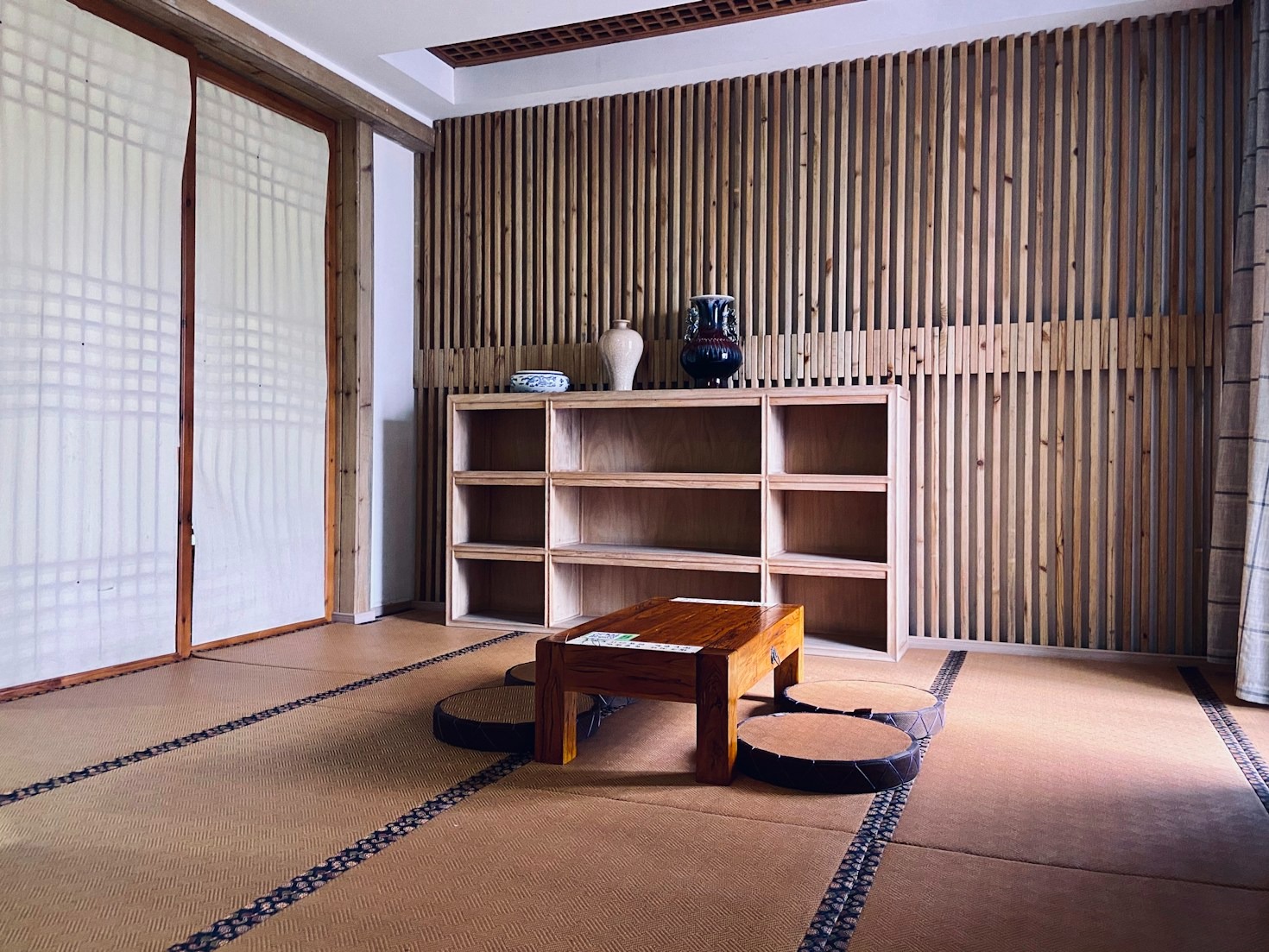
Natural wood has been used in homes for centuries, not only because of its beauty and durability but also because of its unique interaction with the surrounding environment. Unlike many synthetic materials, wood is a natural, breathable material that responds to changes in temperature and humidity. When used in flooring, furniture, wall panels, and other interior elements, it can contribute to a comfortable and balanced indoor environment.
Wood and Indoor Humidity
One of the most interesting characteristics of natural wood is its ability to interact with moisture in the air. Wood is hygroscopic, which means that it naturally absorbs and releases moisture depending on the surrounding relative humidity.
When indoor humidity increases, untreated or appropriately finished wood can absorb a certain amount of moisture. When the air becomes drier, the wood can gradually release some of this moisture back into the environment. This natural interaction does not replace proper ventilation or humidity control, but it is one of the reasons why wood is often associated with comfortable interiors.
Natural Regulation of the Indoor Environment
The ability of wood to exchange moisture with the surrounding air is sometimes described as moisture buffering. This process can help moderate short-term fluctuations in indoor humidity, particularly when natural wood is used across larger surfaces.

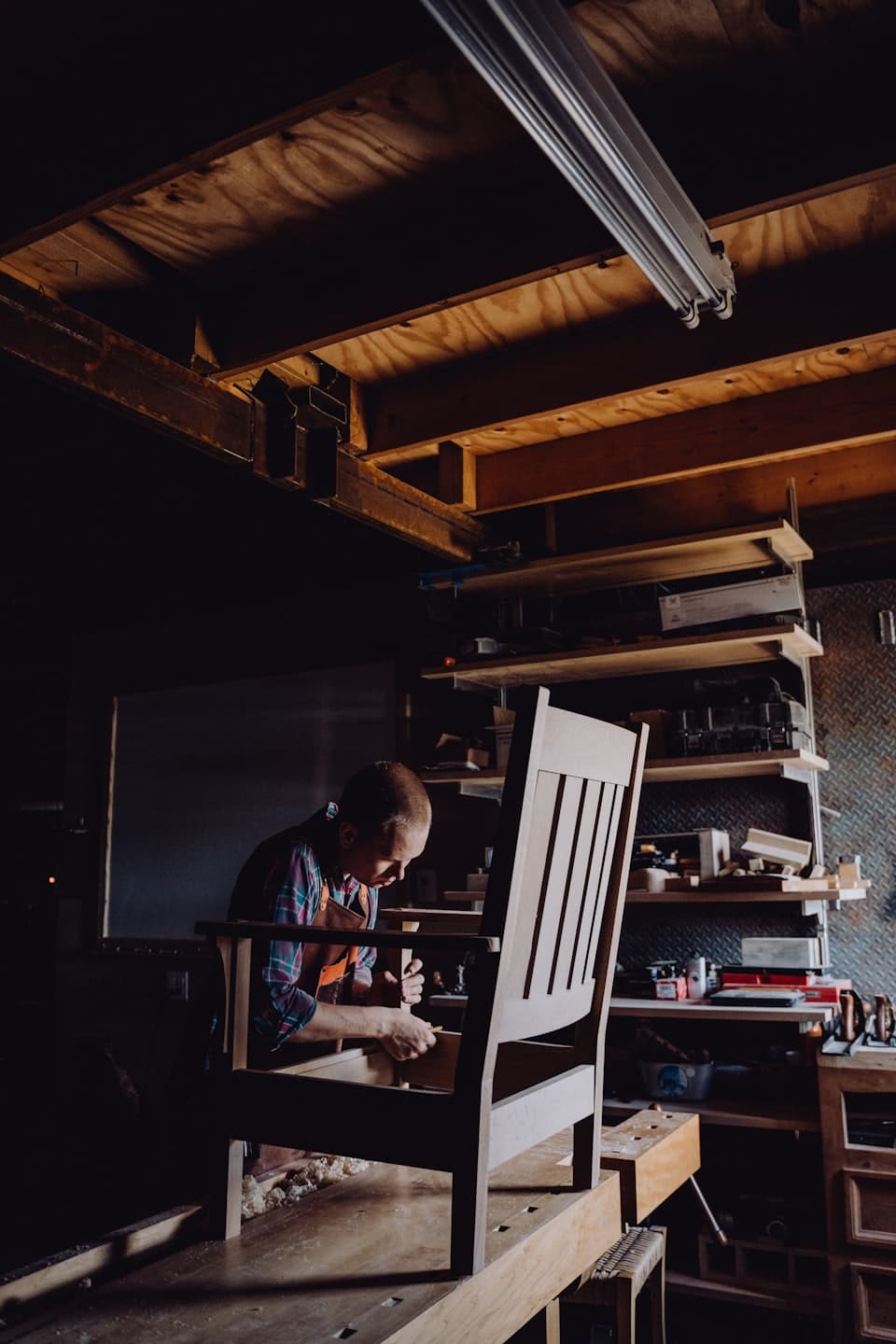
Oak flooring, wooden furniture, wall panels, and other timber elements can therefore become part of a home’s natural material environment. However, the overall indoor climate also depends on ventilation, heating, insulation, building construction, and the amount of moisture generated by occupants.
Oak Flooring and Comfort
Natural oak flooring can have a noticeable influence on the visual and sensory character of a room. Its warm colour, natural grain, and tactile surface can make an interior feel more comfortable and welcoming.
Wood also tends to feel different from materials such as ceramic tiles or stone. In many situations, an oak floor provides a warmer and more pleasant surface underfoot, which can contribute to the overall perception of comfort within a home.
Thermal Properties of Wood
Wood has relatively low thermal conductivity compared with many mineral construction materials. This means that it does not transfer heat as quickly as materials such as stone or concrete.
As a result, wooden surfaces can feel relatively warm to the touch compared with many hard mineral surfaces. This characteristic can be particularly appreciated in bedrooms, living rooms, and other areas where people spend significant amounts of time barefoot.
Wood and Temperature Changes
Although wood does not actively regulate indoor temperature like a heating or cooling system, its thermal properties influence how surfaces interact with the surrounding environment. Wooden floors and other timber elements can contribute to a more comfortable sensory experience.
The actual temperature of a wooden floor depends on the room conditions, insulation, underfloor construction, heating system, and other factors. Therefore, the comfort provided by wood should be understood as part of the overall performance of the interior rather than as a substitute for climate control.
A Natural Material for Modern Homes
Contemporary homes are increasingly designed around natural materials. Oak, stone, linen, wool, and other natural products are often combined to create interiors that feel warm and connected to nature.
This approach is sometimes described as biophilic design, where natural materials, textures, colours, and forms are incorporated into buildings to create a closer visual and sensory connection with the natural environment.
Natural oak is particularly versatile because it can complement minimalist, traditional, Scandinavian, rustic, industrial, and luxury interiors.
The Importance of Proper Humidity
Although wood can interact naturally with moisture, excessive humidity or extremely dry conditions can affect its dimensional stability. Wood expands when it absorbs moisture and contracts when it loses moisture.
For this reason, maintaining appropriate indoor humidity is important when using natural oak flooring. Significant or prolonged fluctuations can contribute to gaps, movement, deformation, or other changes in the material.
A stable indoor environment is therefore beneficial not only for the comfort of occupants but also for the long-term condition of natural wooden products.
Wood and Indoor Air Quality
Natural wood itself does not automatically purify indoor air, but choosing appropriate wood products and finishes can support a healthy approach to interior materials. Low-emission finishes and adhesives can help reduce the introduction of unwanted substances into indoor environments.
Regular ventilation remains essential for maintaining good indoor air quality. Natural wood should therefore be considered one element of a broader approach that includes ventilation, appropriate materials, cleaning, humidity management, and good building practices.
The Psychological Effect of Natural Materials
The influence of wood on an interior is not only physical. Its appearance can also affect how a room is perceived. Natural grain patterns, warm colours, and variations in texture can create a feeling of comfort and connection with nature.
This is one reason why oak flooring is widely used in living spaces, hotels, restaurants, offices, and other environments where atmosphere is important.
Unlike perfectly uniform synthetic surfaces, natural oak contains subtle variations that can make an interior feel more authentic and individual.
Wood in Different Areas of the Home
The benefits and visual qualities of natural wood can be introduced into many parts of a home. Oak flooring can create a warm foundation for living rooms and bedrooms, while furniture panels can bring natural texture to kitchens and storage areas.
Wooden wall panels can add warmth to larger spaces, while oak stairs, doors, tables, and shelving can create visual continuity throughout the interior.
Using several wooden elements together can create a coherent design, particularly when similar colours and finishes are selected.
Natural Oak and Sustainable Interior Design
The growing interest in sustainable architecture has also increased attention to natural materials. High-quality oak products can have a long service life when properly manufactured, installed, and maintained.
In the case of suitable wooden flooring, the possibility of renovation can further extend its useful life. Instead of replacing a floor after years of use, sanding and refinishing may restore its appearance, depending on the construction and thickness of the product.
Durability and long-term usability are important aspects of sustainable interior design because they can reduce the need for frequent replacement.
The Importance of Quality Processing
The performance of natural wood depends not only on the species but also on how the material is processed. Proper drying, grading, machining, and finishing are particularly important for flooring and other interior products.
Well-controlled drying helps achieve a suitable moisture content before the material is manufactured and installed. Accurate processing ensures consistent dimensions, while an appropriate surface finish helps protect the wood during everyday use.
For this reason, high-quality oak flooring should be considered as the result of both natural material characteristics and professional manufacturing.
Wood and Underfloor Heating
Natural oak flooring can also be used in interiors with underfloor heating, but the product and installation method must be suitable for this application. Wood responds to changes in temperature and moisture, so technical requirements need to be considered carefully.
The construction of the flooring, thickness, moisture content, installation system, and operating temperature can all influence performance. Always follow the manufacturer’s recommendations when combining oak flooring with underfloor heating.
Creating a Balanced Interior
The best results are achieved when natural wood is combined with appropriate environmental conditions and thoughtful interior design. Oak flooring can provide warmth and texture, while ventilation and climate control maintain suitable temperature and humidity.
Furniture, textiles, plants, lighting, and natural materials can further contribute to a comfortable atmosphere.
Natural wood does not work independently from the rest of the building. Instead, it becomes one part of a larger interior ecosystem in which materials, architecture, technology, and human activity interact.
Conclusion
Natural wood can influence the atmosphere and comfort of a home in several ways. Its ability to interact with moisture, relatively low thermal conductivity, natural appearance, and tactile qualities make it a valuable material for contemporary interiors.
European oak is particularly attractive because it combines these qualities with durability, distinctive grain, and timeless design. Used in flooring, furniture panels, walls, stairs, and other interior elements, oak can help create spaces that feel warm, natural, and welcoming.
At the same time, good indoor ventilation, stable humidity, appropriate temperature, and professional installation remain essential for maintaining both a comfortable home microclimate and the long-term stability of natural wood. The real advantage of oak lies in the combination of natural material properties, professional processing, and thoughtful interior design.