
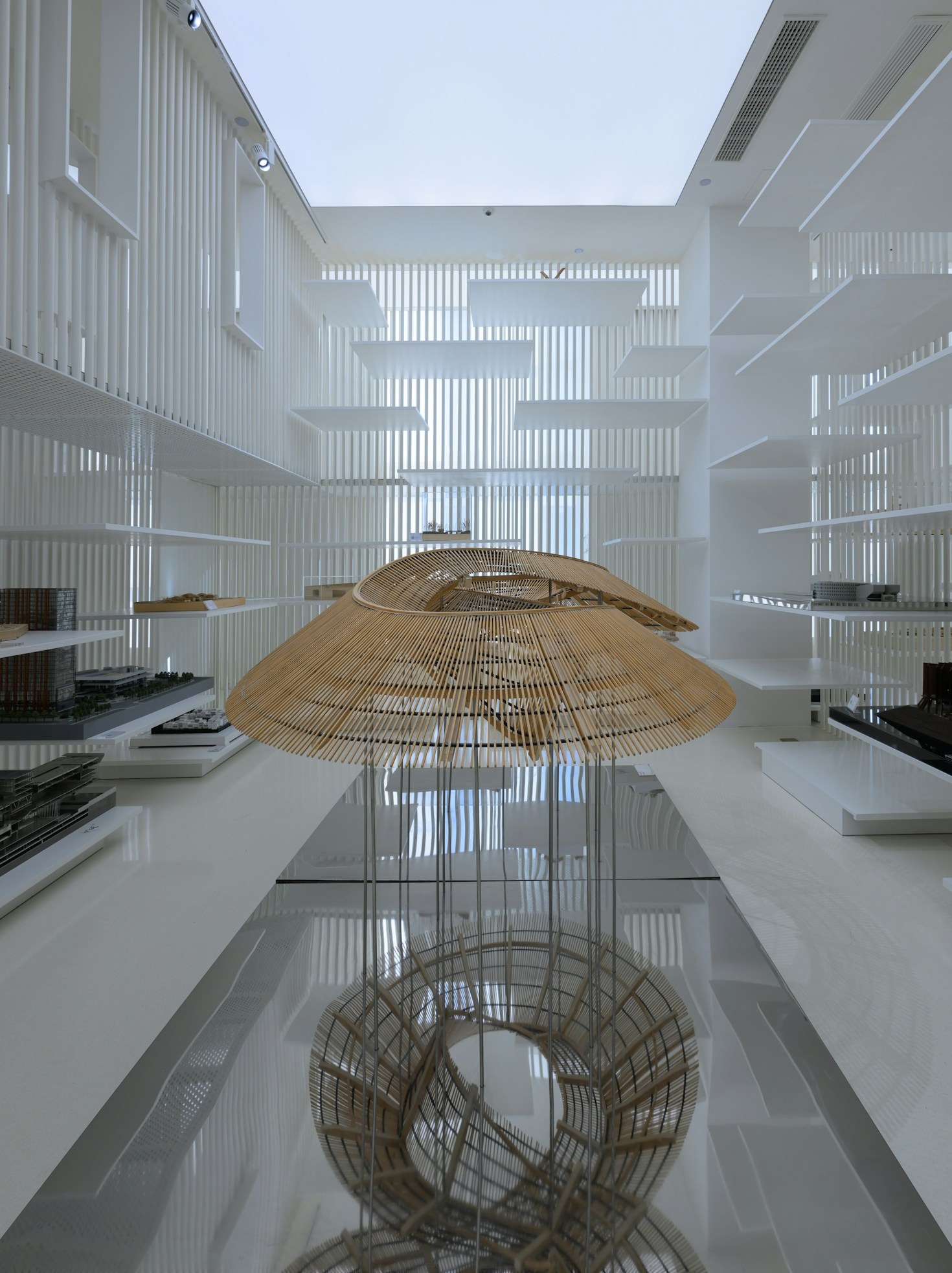
Wood has always been one of the most valued materials in interior design, but its role in contemporary architecture is changing. Today, natural timber is used not only for traditional flooring and furniture, but also as an important architectural element that helps create warm, elegant, and visually balanced interiors. Modern designers are increasingly combining natural wood with minimalist forms, neutral colours, stone, glass, metal, and other materials to create spaces that feel both contemporary and timeless.
Natural Materials in Modern Interiors
One of the strongest trends in contemporary interior design is the return to natural materials. After years of highly artificial and industrial-looking interiors, designers and homeowners are increasingly looking for materials that introduce authenticity and warmth.
European oak is particularly well suited to this approach. Its natural grain, subtle colour variations, knots, and unique texture give every element an individual character. Unlike synthetic materials that often attempt to imitate wood, genuine oak provides an authentic surface that changes naturally over time.
Natural oak flooring can become the foundation of an interior, connecting different areas of a home or commercial space through a consistent material and colour palette.
Warm Minimalism
Minimalism remains an important direction in modern interior design, but it is increasingly evolving into what is often described as warm minimalism. Instead of completely white rooms, sharp contrasts, and cold surfaces, designers are introducing natural materials and softer colours.
Oak flooring works particularly well in this style. Its warm tones can soften simple architectural forms and create a more comfortable atmosphere without compromising the clean appearance of a minimalist interior.
A carefully selected oak parquet floor can provide enough visual character to make a room interesting while still allowing furniture, lighting, and architectural details to remain the main focus.
Oak Parquet in Contemporary Architecture
Traditional parquet patterns are experiencing renewed interest in modern interiors. Herringbone, chevron, mosaic parquet, and other geometric arrangements can create a strong visual foundation while maintaining the natural appearance of timber.
The combination of a traditional parquet pattern with contemporary furniture creates an interesting contrast between heritage and modernity. A classic herringbone floor, for example, can work equally well in a historic apartment, a modern house, a boutique hotel, or an elegant restaurant.
The choice of parquet pattern can also influence how a room is perceived. Different layouts can emphasize the length, width, or proportions of an interior and create distinctive visual effects.
Wide Oak Flooring
Another popular trend is the use of wider wooden floorboards. Larger elements create a clean and spacious appearance, while allowing the natural grain of oak to become more visible.
Wide oak flooring is particularly effective in open-plan interiors where uninterrupted floor surfaces can emphasize the scale and simplicity of the architecture. It can be combined with modern furniture, large windows, natural textiles, and restrained colour palettes.
The visual effect depends not only on the width of the boards but also on the grade, surface treatment, colour, and installation pattern selected for the project.
Natural Oak Colours
Modern interiors increasingly favour natural and understated wood colours. Light oak tones can make a room appear brighter and more spacious, while warmer shades can create a more intimate and sophisticated atmosphere.
Rather than completely changing the natural colour of the timber, many contemporary finishes are designed to enhance the existing characteristics of the wood. Oils, lacquers, and other surface treatments can protect the floor while allowing the grain and natural structure to remain visible.
This approach is particularly popular among designers who want the material to look authentic rather than heavily processed.
Visible Grain and Natural Character
Contemporary design increasingly celebrates imperfections and natural variation. Knots, differences in colour, distinctive grain patterns, and subtle changes in texture can all contribute to the character of a wooden surface.
This is one of the reasons why European oak remains so popular. No two pieces of natural oak are exactly the same, which means that a finished floor or furniture panel has an individual appearance.
Instead of trying to achieve complete uniformity, modern design often uses these natural differences as a visual advantage. They give the interior depth and prevent large surfaces from appearing flat or artificial.
Combining Wood With Stone and Concrete
One of the most effective contemporary combinations is natural oak with stone or concrete. The warmth of wood contrasts with the cool, solid appearance of these materials, creating a balanced and sophisticated interior.
Oak flooring can soften a concrete wall or kitchen surface, while stone elements can provide contrast against the warm tones of the timber. This combination is frequently used in modern residential interiors as well as restaurants, hotels, offices, and other commercial spaces.
The result is an interior that combines modern architectural character with the warmth of natural materials.
Wood and Metal
Metal is another material that works particularly well with oak. Black steel, brushed aluminium, brass, and other metal finishes can create strong visual contrasts with natural timber.
For example, an oak floor combined with black metal furniture can produce a modern industrial atmosphere, while brass details can create a more refined and luxurious appearance.
The flexibility of oak makes it possible to adapt the same material to very different interior styles simply by changing the surrounding elements.
Oak Furniture Panels
Wood is no longer limited to floors. Oak furniture panels are increasingly used in modern kitchens, wardrobes, tables, shelving systems, doors, wall elements, and custom furniture.
Using the same or complementary oak tones across flooring and furniture can create a cohesive interior. Designers can use oak panels to introduce natural texture at eye level, complementing the larger horizontal surface of the floor.
Furniture made from natural oak can also provide a visual connection between architecture and individual interior elements.
Wood as a Wall and Ceiling Material
Another growing trend is the use of wood beyond the floor. Oak and other timber products can be used for wall cladding, decorative panels, ceilings, partitions, and architectural details.
Wooden walls can introduce texture and warmth without requiring additional decorative elements. In minimalist interiors, a carefully designed timber wall can become a focal point while maintaining a simple overall aesthetic.
Wood ceilings can also create a more intimate atmosphere, particularly in restaurants, hotels, offices, and larger residential spaces.
Sustainable and Long-Lasting Interiors
Sustainability is becoming an increasingly important consideration when selecting materials for interior projects. Designers and customers are looking beyond short-term trends and considering how long a material can remain functional and attractive.
Natural oak can be particularly valuable in this context because high-quality wooden products can have a long service life when properly installed and maintained. Oak flooring can also be renovated in suitable applications, allowing the surface to be refreshed rather than completely replaced.
Choosing durable materials can therefore support a design philosophy based on longevity rather than frequent replacement.
The Beauty of Imperfection
Modern design is moving away from the idea that every surface needs to be perfectly uniform. Natural variations are increasingly appreciated as part of the material’s identity.
Oak is an excellent example of this approach. Small knots, variations in grain direction, differences in colour, and subtle surface irregularities make each floor unique.
For designers, these characteristics can provide an opportunity to create interiors that feel authentic rather than mass-produced. The natural character of the material becomes part of the design itself.
Wood in Luxury Interiors
Natural oak is also widely used in sophisticated and high-end interiors. Luxury is increasingly associated not only with expensive finishes but also with craftsmanship, authenticity, quality, and natural materials.
A carefully manufactured oak parquet floor can provide an elegant foundation for luxury apartments, boutique hotels, restaurants, and private residences. Combined with high-quality furniture, natural textiles, stone, and carefully selected lighting, oak can create an atmosphere that feels refined without being excessive.
The ability to combine elegance with natural warmth makes oak particularly suitable for contemporary luxury design.
Wood in Commercial Spaces
The use of natural wood is also increasing in commercial interiors. Hotels, restaurants, offices, shops, showrooms, and public spaces use timber to create environments that are more welcoming and distinctive.
In hospitality interiors, for example, an oak floor can help create a warm first impression. In offices, natural wood can soften modern architectural elements and create a more comfortable environment.
Commercial projects also require materials that can withstand frequent use, making the durability and potential for maintenance of high-quality oak particularly valuable.
Mixing Different Wood Textures
Modern interiors do not necessarily require every wooden element to have exactly the same appearance. Designers can combine different textures, finishes, and formats while maintaining an overall sense of harmony.
For example, a smooth oak floor can be combined with textured furniture panels or brushed timber wall elements. The key is to maintain a coherent colour palette and use differences in texture intentionally.
This approach creates visual depth while avoiding a monotonous appearance.
The Importance of Craftsmanship
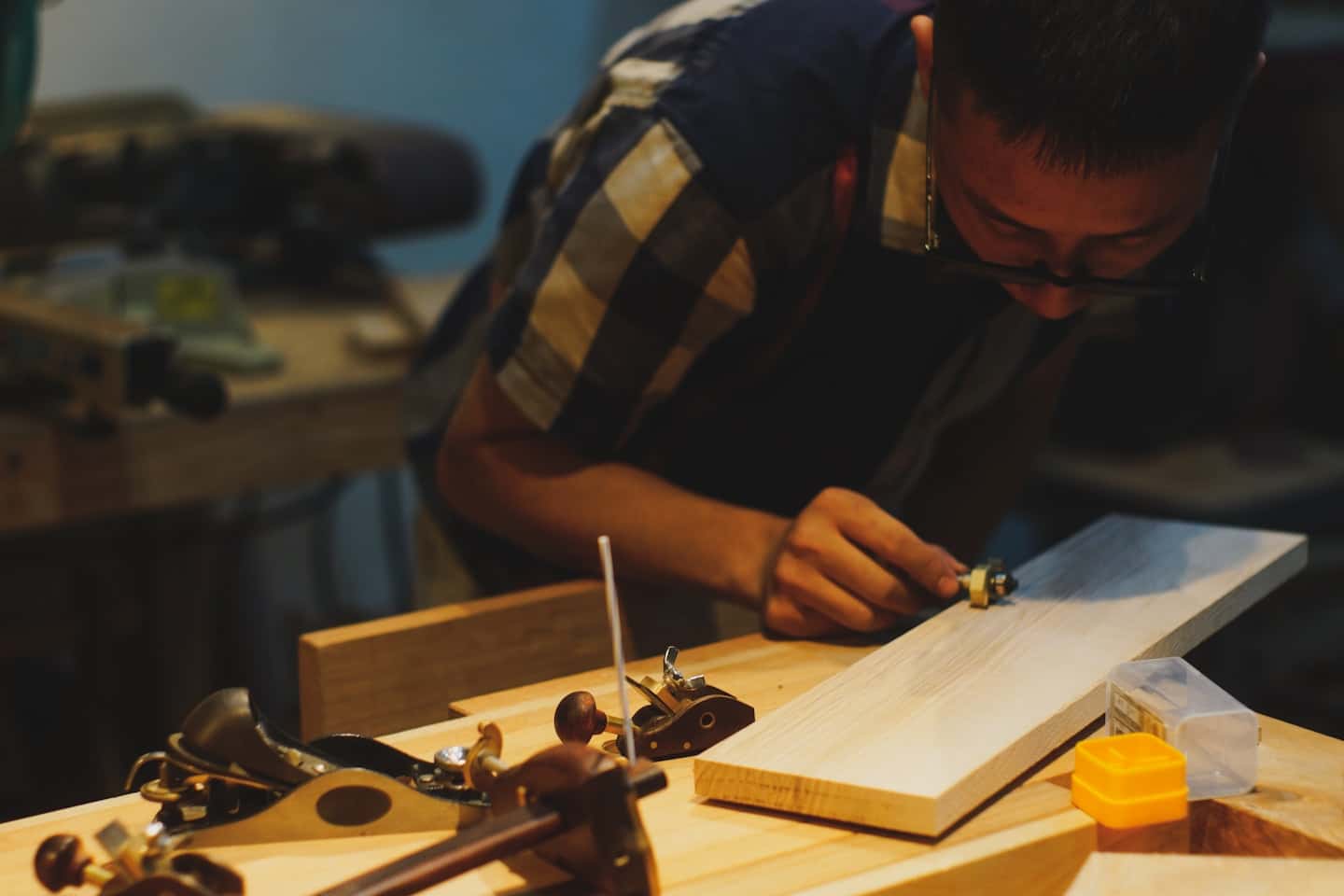
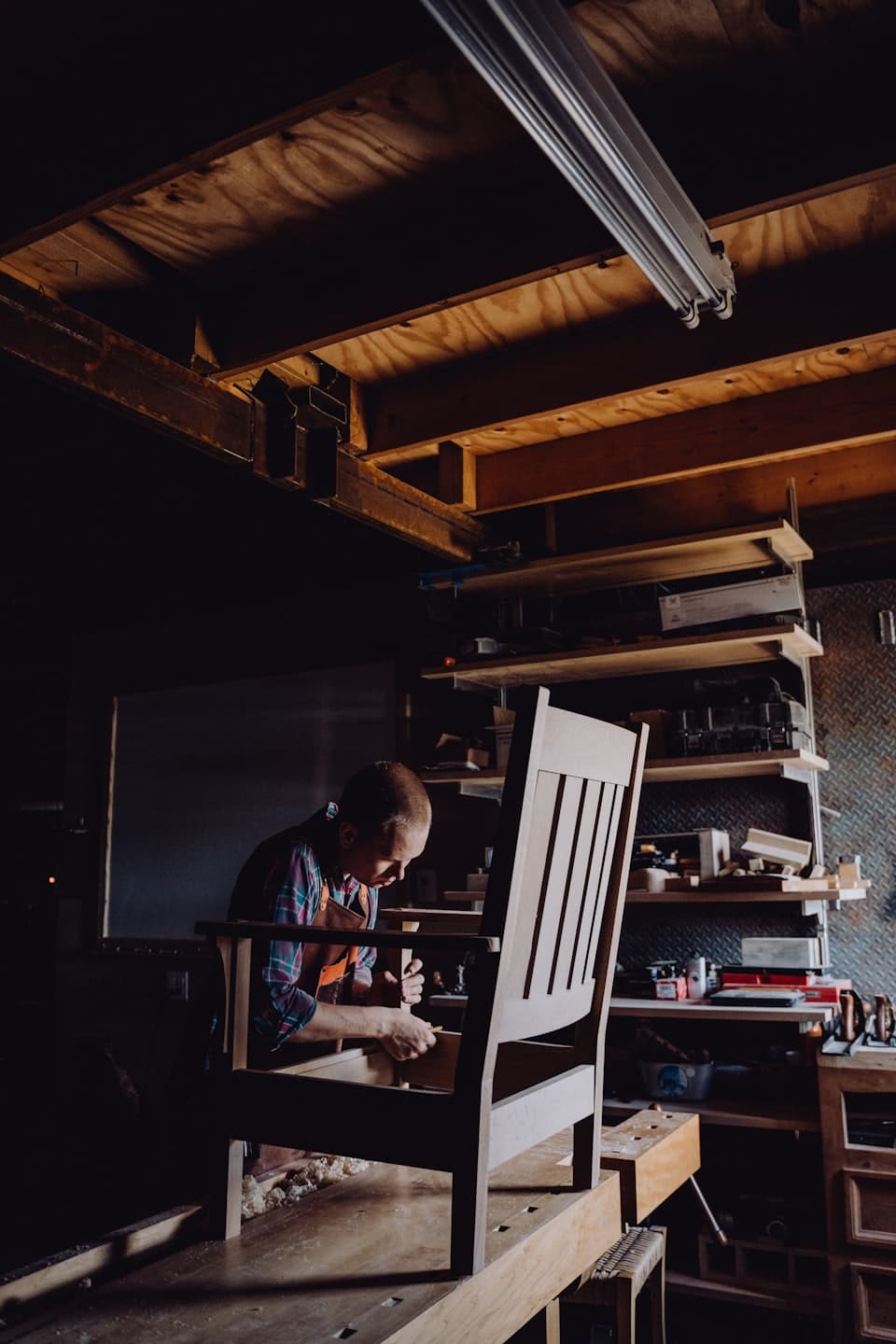
Modern technology allows timber manufacturers to achieve increasingly precise dimensions and consistent production quality. At the same time, craftsmanship remains essential when working with natural materials.
Every oak log has its own structure, grain, density, and natural characteristics. Experienced manufacturers understand how to select, dry, grade, and process the material to achieve the desired result.
The combination of modern production technology and traditional knowledge allows natural oak to meet the technical requirements of contemporary architecture without losing its authentic character.
Timeless Design Instead of Short-Term Trends
One of the greatest advantages of wood is its ability to adapt to changing design trends. A natural oak floor that looks contemporary today can continue to work with different furniture, wall colours, lighting, and architectural styles many years later.
This makes oak particularly attractive for customers who want to avoid interiors that quickly become outdated. Instead of following a short-lived visual trend, natural timber provides a timeless foundation that can evolve with the space.
The same principle applies to oak furniture panels, doors, stairs, wall elements, and other architectural products.
The Future of Wood in Interior Design
The growing interest in natural materials, sustainable design, warm minimalism, and authentic textures suggests that wood will remain an important part of contemporary interior architecture.
European oak is especially well positioned for this trend because it combines natural beauty, strength, versatility, and a long history of use in architecture and furniture making. Modern production methods also allow manufacturers to create products that meet demanding requirements in terms of dimensions, stability, and finish.
As designers continue to search for ways to create interiors that feel both modern and comfortable, natural wood offers a material that can connect contemporary architecture with the character of nature.
Conclusion
Modern interior design with wood is not simply about adding more timber to a space. It is about using natural materials thoughtfully and allowing their colour, grain, texture, and character to become an integral part of the architecture.
European oak flooring, parquet, furniture panels, wall elements, stairs, and other timber products can be adapted to a wide range of styles, from minimalist apartments and modern houses to luxury hotels, restaurants, offices, and commercial interiors.
The most important trend is perhaps the growing appreciation for authenticity. Instead of hiding the natural characteristics of wood, contemporary design increasingly celebrates them. With precise manufacturing, appropriate finishing, and thoughtful design, oak can provide an interior with warmth, durability, elegance, and a timeless connection to nature.