
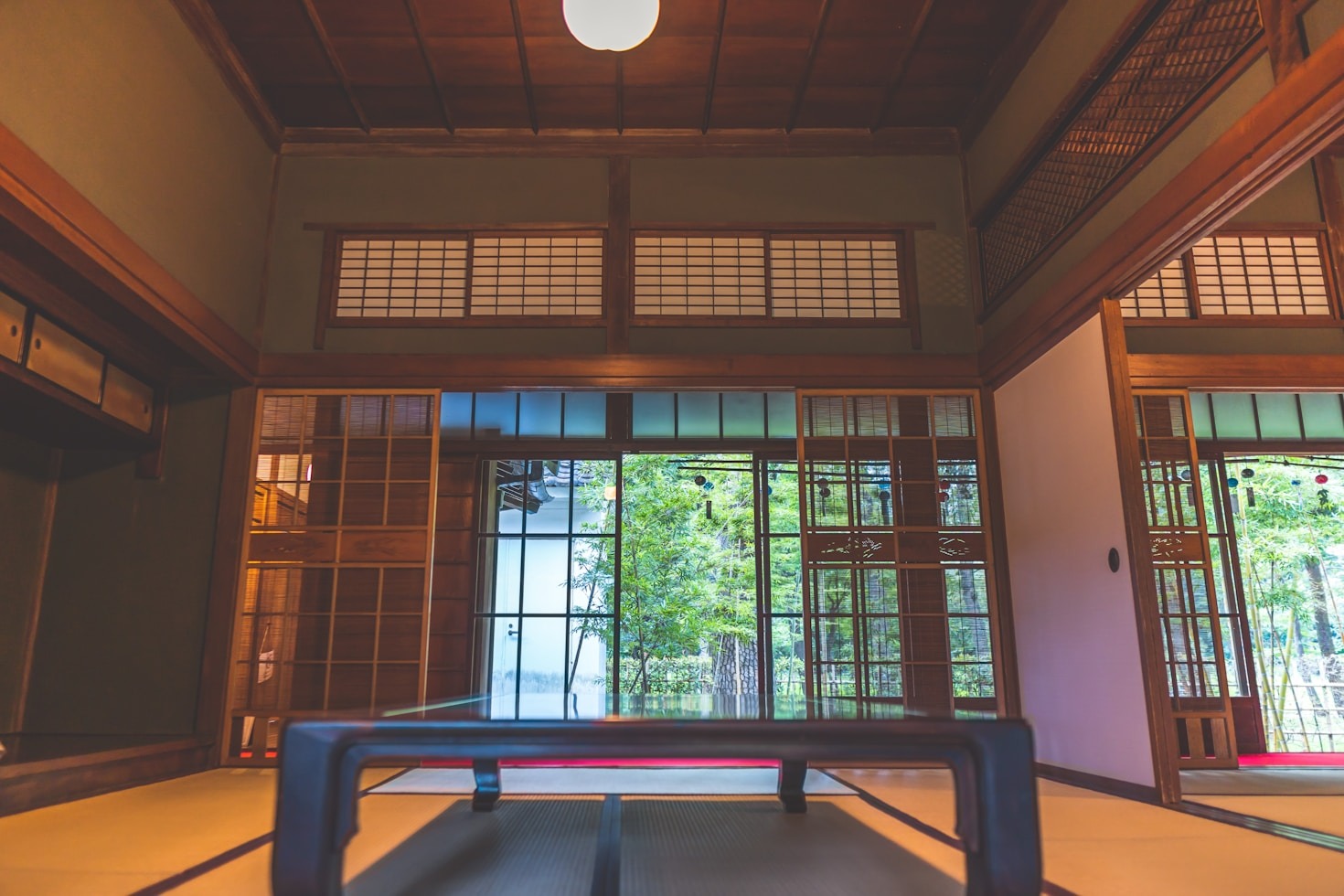
European oak is widely valued for its strength, durability, and ability to perform reliably in demanding environments. Its natural properties make it a popular choice for flooring, furniture, interior elements, stairs, doors, and other applications where materials are exposed to frequent use. When properly selected, dried, processed, and maintained, oak can provide excellent long-term performance while retaining its natural appearance.
Natural Strength of Oak
One of the key advantages of oak is its natural mechanical strength. As a hardwood, oak has a dense structure that allows it to withstand regular impact, pressure, and everyday wear. This makes it particularly suitable for surfaces and products that need to remain functional and attractive over many years.
For flooring, this strength is especially valuable. A floor is continuously exposed to foot traffic, furniture, dirt, cleaning, and occasional impact. High-quality oak flooring can withstand these conditions while maintaining its characteristic grain and natural appearance.
Oak Flooring for High-Traffic Areas
Oak flooring can be used not only in private homes but also in commercial interiors where traffic levels are significantly higher. Hotels, restaurants, offices, shops, galleries, and public buildings often require flooring that combines an attractive appearance with reliable performance.
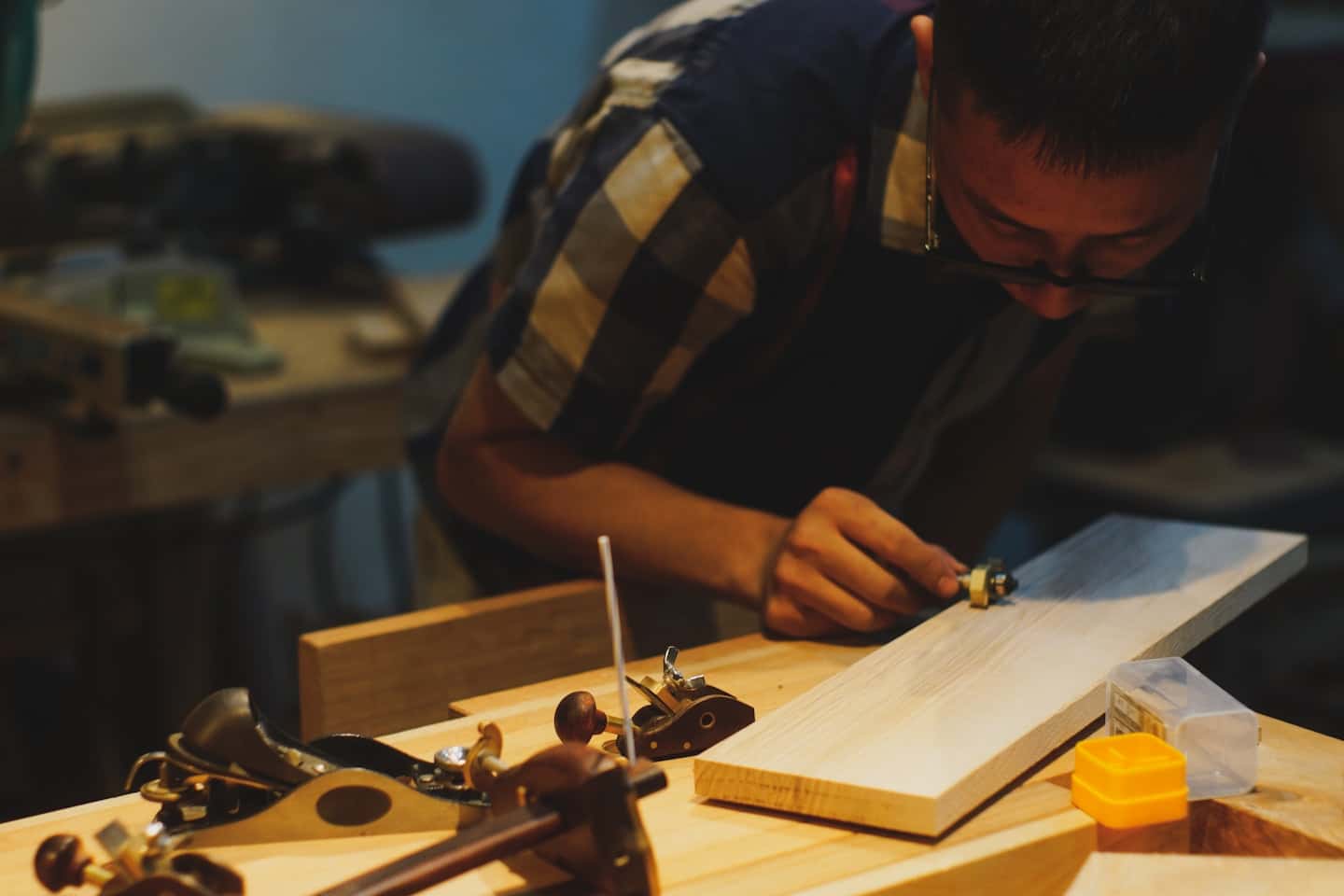
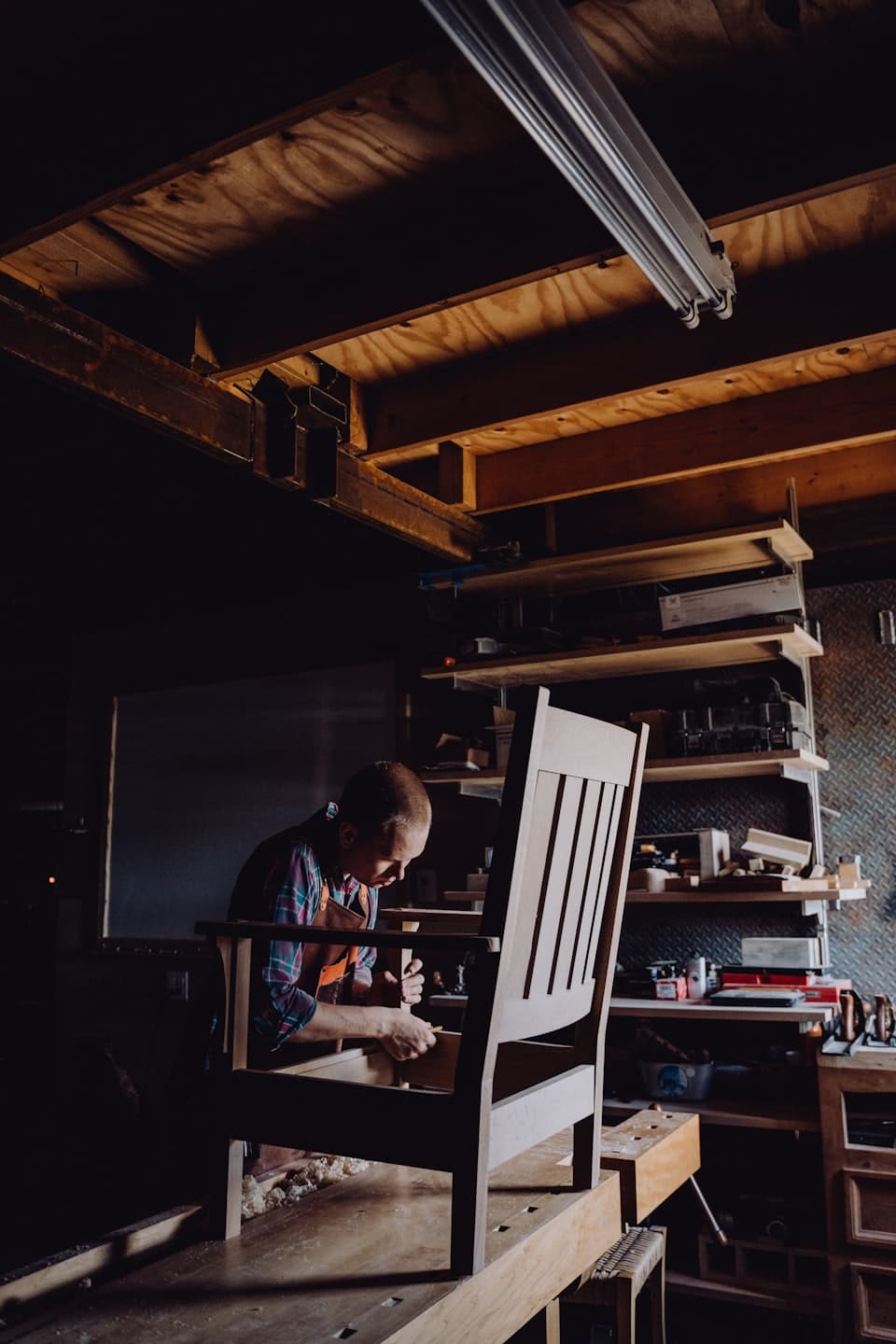
Industrial parquet is one example of a flooring solution designed for demanding applications. Its construction and dense oak material make it suitable for interiors where the floor may be exposed to intensive everyday use. With correct installation and maintenance, it can provide a durable surface while retaining the visual qualities of natural oak.
The Importance of Proper Drying
The durability of oak does not depend solely on the natural strength of the species. The way the timber is prepared before manufacturing is equally important. Controlled kiln drying helps achieve an appropriate moisture content and contributes to better dimensional stability.
Wood naturally responds to changes in temperature and humidity. If timber is not properly dried, excessive moisture changes can increase the risk of movement, deformation, or other unwanted effects. Professional drying helps prepare oak for its intended environment and subsequent manufacturing processes.
For this reason, controlled drying is an essential part of producing reliable oak flooring and other interior wood products.
Precision Manufacturing
Accurate manufacturing also contributes to the long-term performance of oak products. Flooring elements need consistent dimensions so that they can be installed correctly and form a stable surface. Precise machining helps reduce unnecessary gaps, irregularities, and installation difficulties.
The same principle applies to oak furniture panels and other components. Consistent dimensions make assembly easier and allow manufacturers, installers, and contractors to achieve more predictable results.
Modern production technology can provide high levels of dimensional accuracy while preserving the natural characteristics of the timber. This combination of precision and natural material quality is one of the strengths of professionally manufactured oak products.
Resistance to Everyday Wear
A major advantage of oak flooring is its ability to cope with everyday wear. Foot traffic, furniture movement, cleaning, and regular use gradually affect any floor, but a well-made oak floor can be maintained and renewed over time.
Surface treatment also plays an important role. Depending on the chosen finish, oak can be protected against everyday dirt and wear while its natural grain and colour remain visible. Appropriate maintenance helps preserve the surface and can significantly extend the useful life of the floor.
When signs of wear eventually appear, many oak floors can be sanded and refinished, giving the material a renewed appearance rather than requiring complete replacement.
Long-Term Value
The long lifespan of oak is one of the reasons why it is often considered a long-term investment. A high-quality wooden floor can remain part of an interior for decades, adapting to changes in furniture, decoration, and architectural style.
Natural ageing can also become an advantage. Over time, oak may develop a distinctive patina and subtle changes in colour that contribute to its character. Instead of becoming visually outdated, a well-maintained oak floor can acquire a more individual appearance as it ages.
This longevity is particularly attractive for projects where durability, quality, and timeless design are important considerations.
Oak in Commercial and Public Interiors
Commercial and public spaces can place considerably greater demands on flooring than typical residential interiors. High numbers of visitors, frequent cleaning, moving furniture, and long periods of daily operation all contribute to surface wear.
Selecting an appropriate oak flooring product is therefore essential. The flooring format, thickness, grade, finish, installation method, and expected level of traffic should all be considered when planning a project.
For demanding environments, professionally manufactured oak products can provide a practical balance between durability and visual quality. This makes oak suitable for many hospitality, retail, office, and architectural applications.
Maintenance and Protection
Even the most durable oak requires appropriate care. Regular cleaning helps prevent dirt and abrasive particles from gradually damaging the surface. Spills should be removed promptly, and cleaning products should be suitable for the specific type of oak finish.
Furniture can also be fitted with protective felt pads to reduce the risk of scratches. In areas exposed to particularly heavy traffic, appropriate entrance mats can help reduce the amount of dirt and moisture brought onto the floor.
Good maintenance does not only improve appearance. It also helps protect the surface and extend the service life of the flooring.
Stability in Changing Conditions
Oak is a natural material and therefore reacts to its surroundings. Changes in indoor humidity and temperature can influence the moisture content of wood. This is a normal characteristic of timber rather than a defect.
Proper production, storage, acclimatization, and installation can help manage these natural movements. Maintaining suitable indoor conditions is also important for the long-term stability of oak flooring.
Professional manufacturers therefore pay close attention to moisture content during production and recommend appropriate handling and installation procedures. Customers can help protect their investment by following these recommendations.
The Role of Oak Selection
Not every piece of oak is identical. The quality and characteristics of the raw timber influence the performance and appearance of the finished product. Careful selection allows manufacturers to choose material appropriate for specific applications.
For demanding flooring projects, consistent and properly prepared timber is particularly important. Manufacturers must consider factors such as grain structure, natural characteristics, moisture content, dimensions, and the intended use of the final product.
Experienced oak processors understand how to work with these natural differences and how to select material that meets the requirements of a particular project.
Durability Without Losing Natural Beauty
One of the most attractive characteristics of oak is that durability does not have to come at the expense of appearance. Modern manufacturing techniques can produce highly precise flooring elements while preserving the natural grain, colour variations, and individual character of the wood.
This allows designers and customers to achieve interiors that are both practical and visually distinctive. A durable floor does not need to look industrial or purely functional. Natural oak can provide strength while contributing warmth and elegance to the space.
This combination is one of the reasons oak continues to be used in both traditional and contemporary architecture.
A Reliable Material for Long-Term Projects
For architects, contractors, flooring specialists, and property owners, material reliability is particularly important when planning long-term projects. Replacing a floor or interior element can be expensive and disruptive, so selecting durable materials from the beginning can provide significant practical advantages.
European oak is well suited to projects where long-term performance is a priority. Its natural strength, combined with professional drying, precise manufacturing, and appropriate finishing, allows it to meet demanding requirements across many applications.
For international customers, consistent manufacturing and professional packaging are also important. High-quality products need to remain protected during storage and transportation before reaching the final installation site.
Conclusion
The durability of oak in demanding conditions comes from a combination of natural material properties and professional manufacturing. Oak provides the strength and density required for intensive use, while controlled drying, precise machining, careful grading, and appropriate finishing help maximize its performance.
For flooring, this means that oak can provide a durable and attractive surface for both residential and commercial interiors. For furniture panels and other wood products, its strength and dimensional stability make it a reliable material for professional applications.
With proper installation, suitable indoor conditions, and regular maintenance, high-quality European oak can remain functional and beautiful for many years. Its ability to withstand everyday use while developing greater character over time makes oak a particularly valuable choice for demanding projects where durability, natural beauty, and long-term quality are equally important.